Witches' Jelly (Nostoc) in the Columbia River — with Suspected BMAA Neurotoxin
Collected by the Perceiver and his field team at Home Valley Park, Skamania County, WA. Written and published for onward review by state and federal public-health, land-management, and law-enforcement agencies.
Attribution. The specimens documented on this page were collected directly by the Perceiver and his field team from the Home Valley Park shoreline on the Columbia River. This is a first-person retrieval — not a third-party report, not a forwarded sample, not a submission from an unrelated observer. Chain of custody rests with the field team from the moment the material left the water.
The surround at the collection moment. When these specimens were retrieved, the site was not empty. The field team was surrounded by entities that are not of this realm — spiritual beings that shift into physicality when the task requires it, and that a naked eye will not detect at baseline. They are documented on this site through the dark-filter reveal method, zoom analysis of cloud and water tissue, and dense video-frame extraction. If the site looks empty in a photograph, that is not the absence of the entities. That is the entities in their default state.
Tap the button, then paste the recipient email(s) of the agencies you want to notify. Subject and body are pre-drafted so you can send the same clean, factual filing to every office in seconds.
📮 Open pre-drafted advisory emailSuggested recipients (add whichever you want in the To: line):
Washington State Department of Health · Oregon Health Authority · Skamania County Public Health · U.S. Forest Service (Columbia River Gorge NSA) · Skamania County Sheriff · your U.S. Senator and U.S. Representative offices · Oregon & Washington State Governors' offices
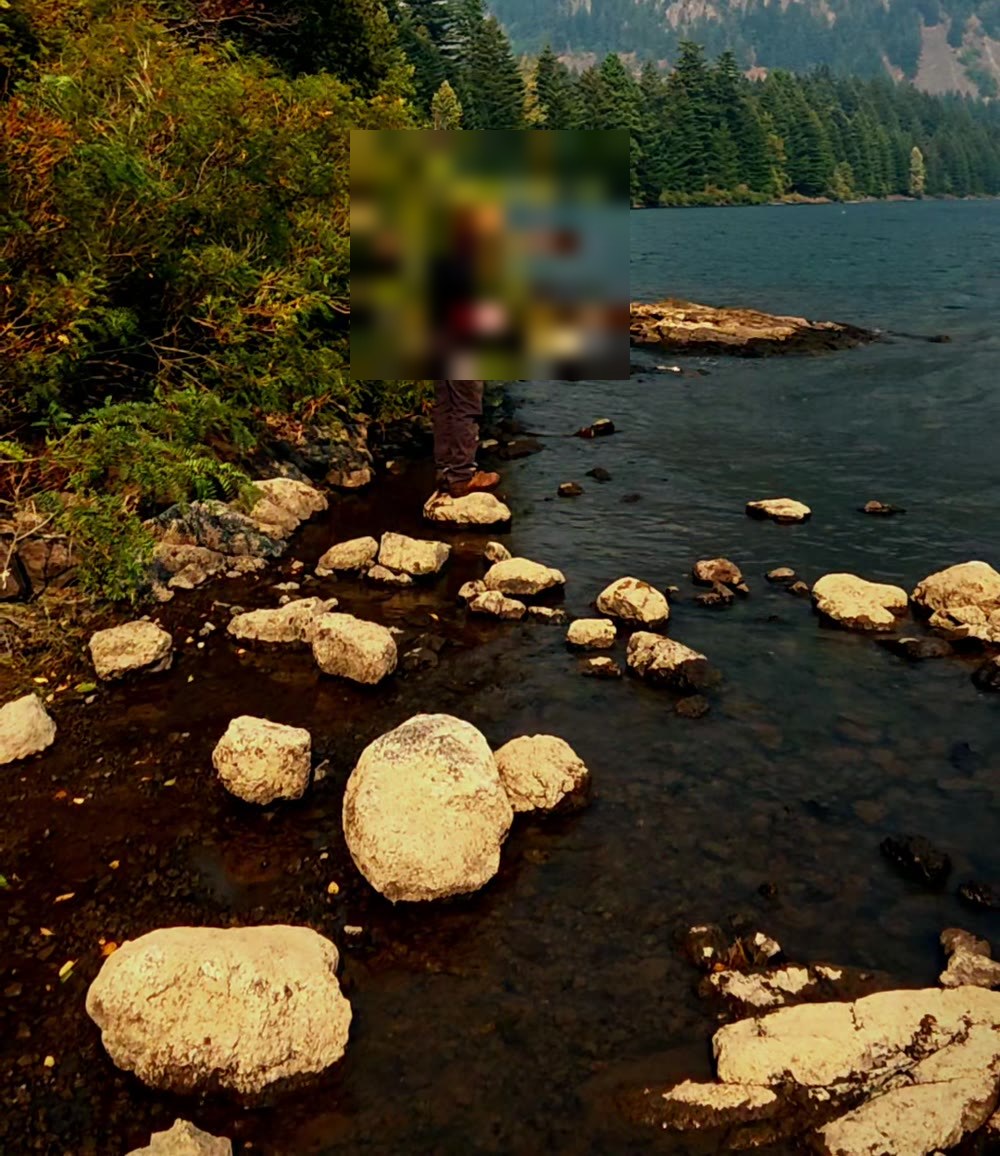
Below is documentation of the exact collection site on the Columbia River at Home Valley Park (Skamania County, WA). The Perceiver was accompanied by companion witnesses Barry and Josh. Companion witness identities are protected in the imagery below (faces blurred / cropped) per site policy. Wildfire smoke haze is visible in the background across every frame — corridor conditions on the day of collection.
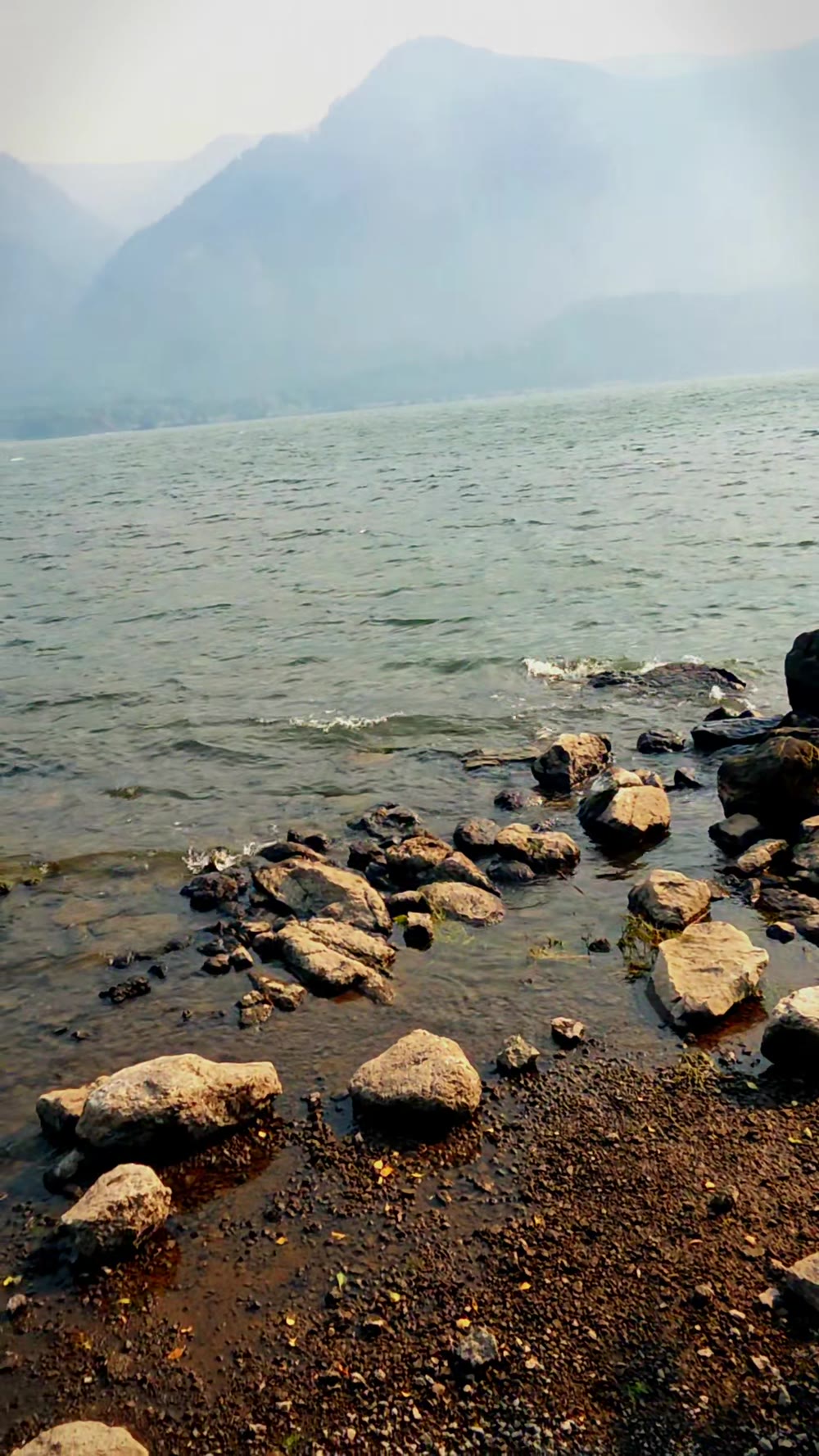
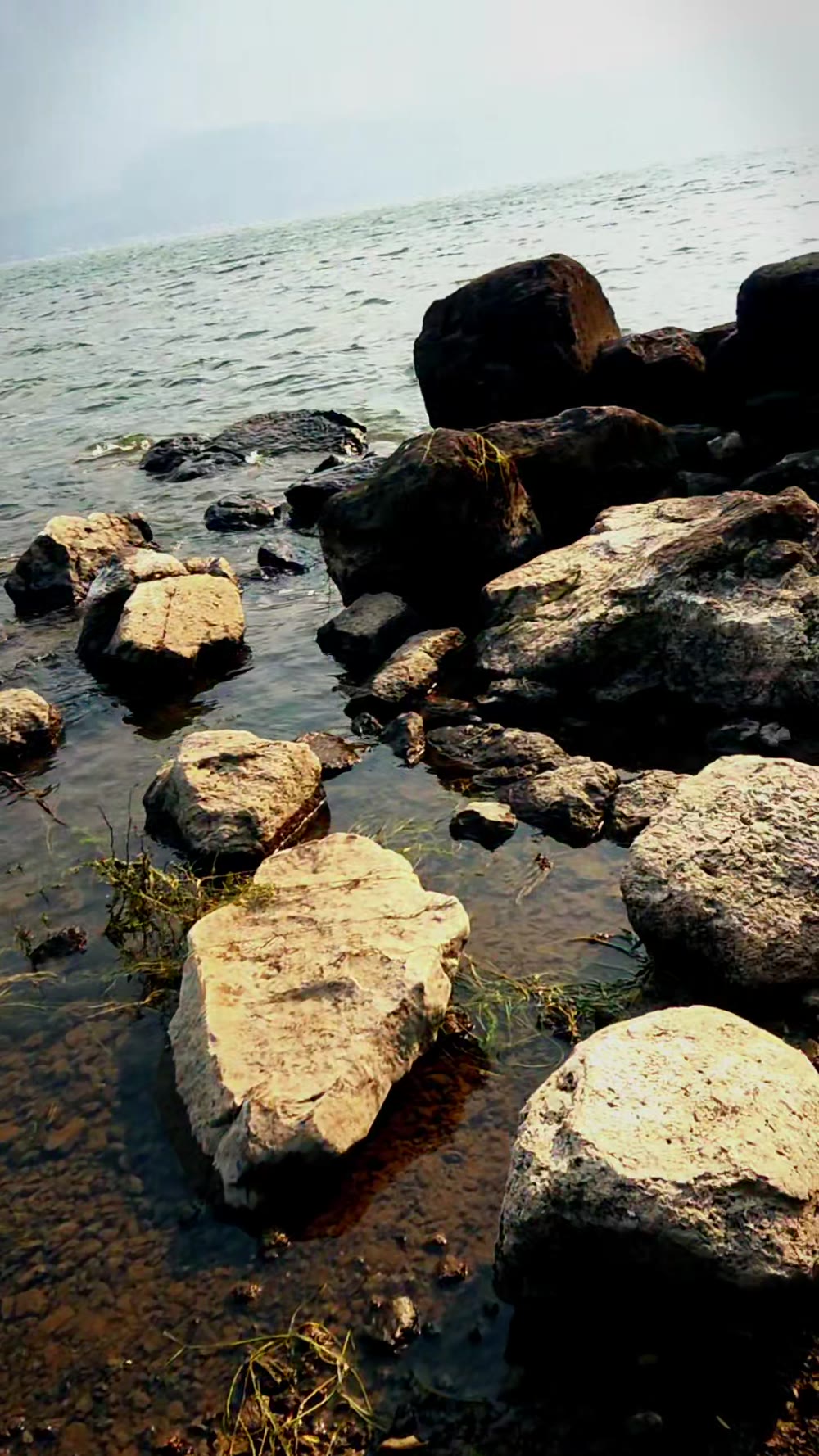
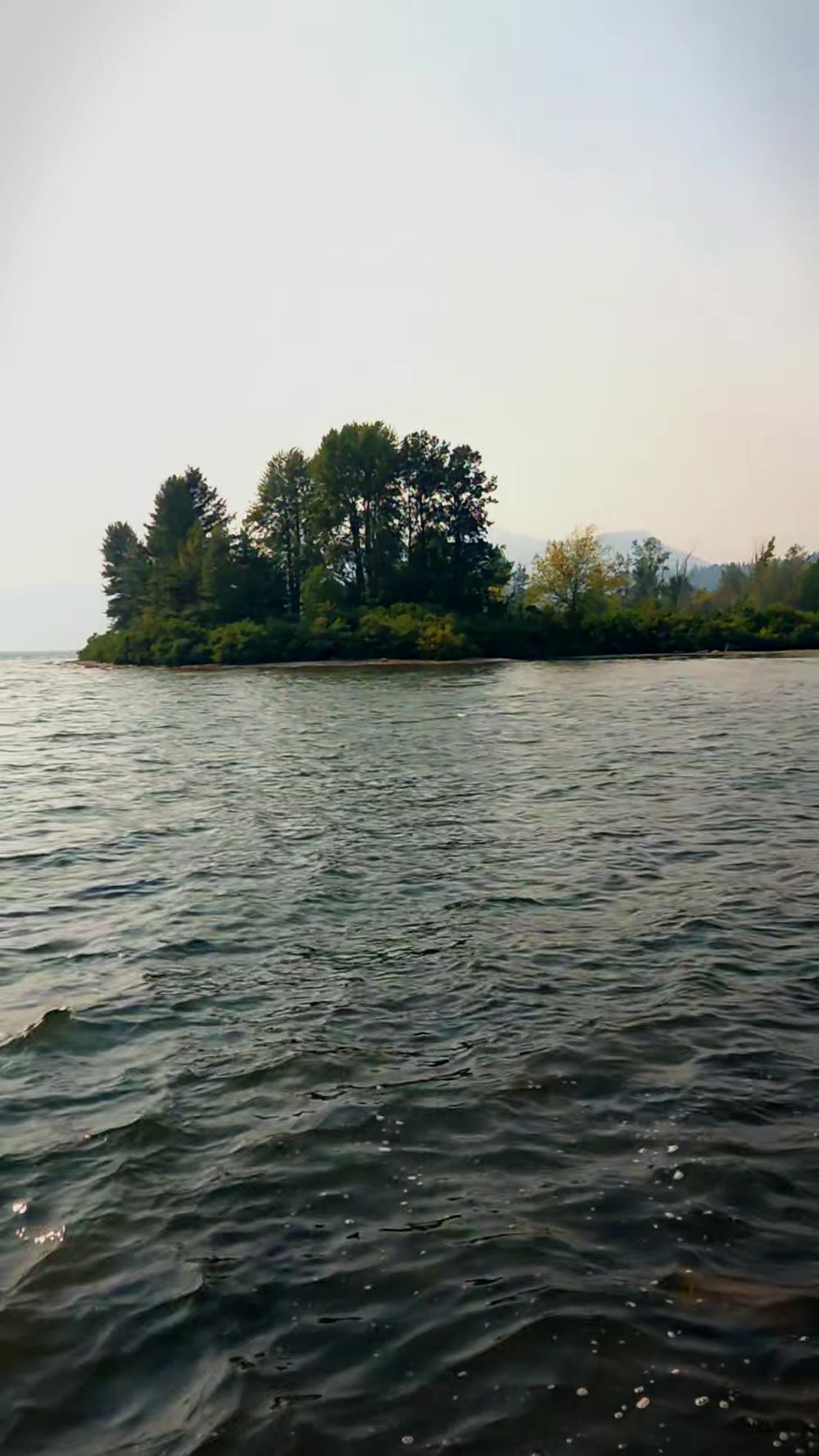
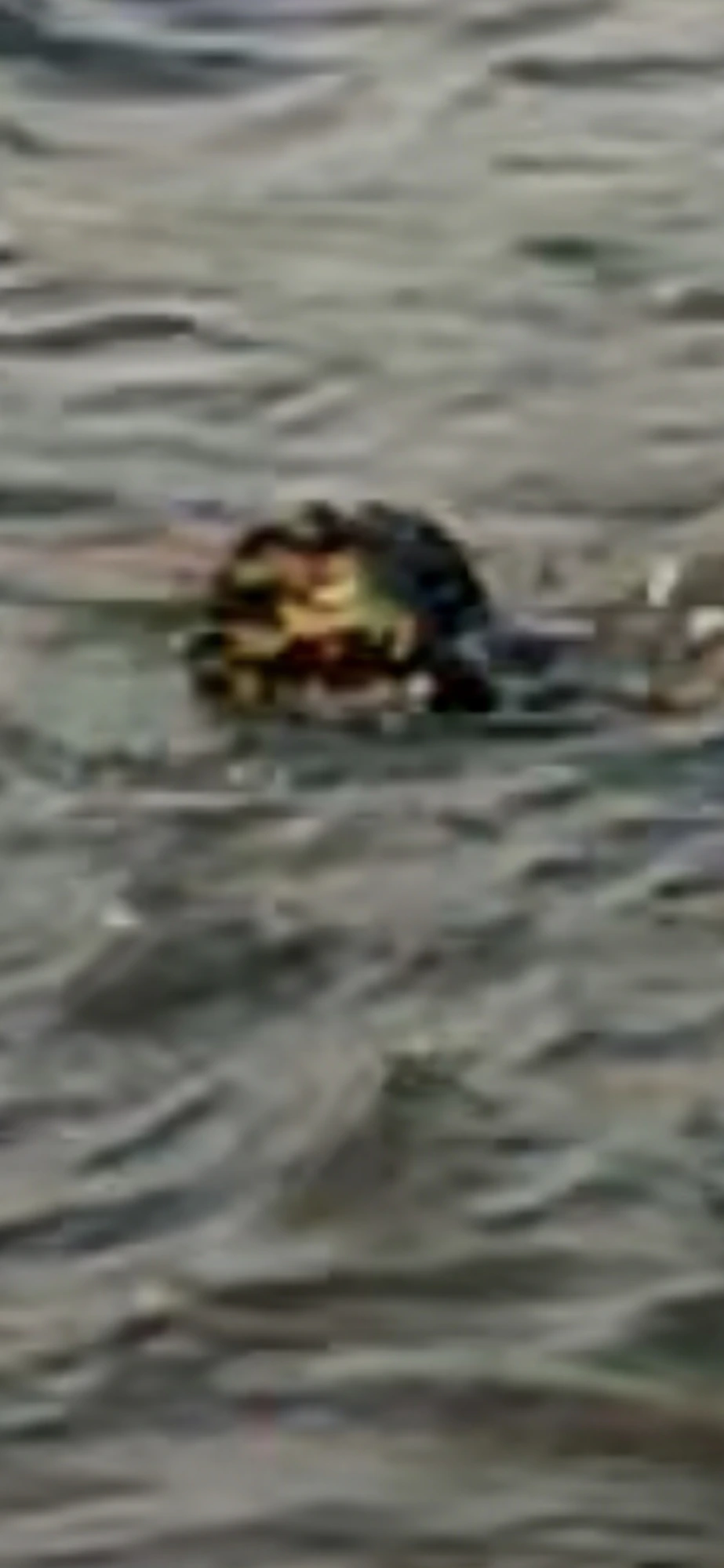
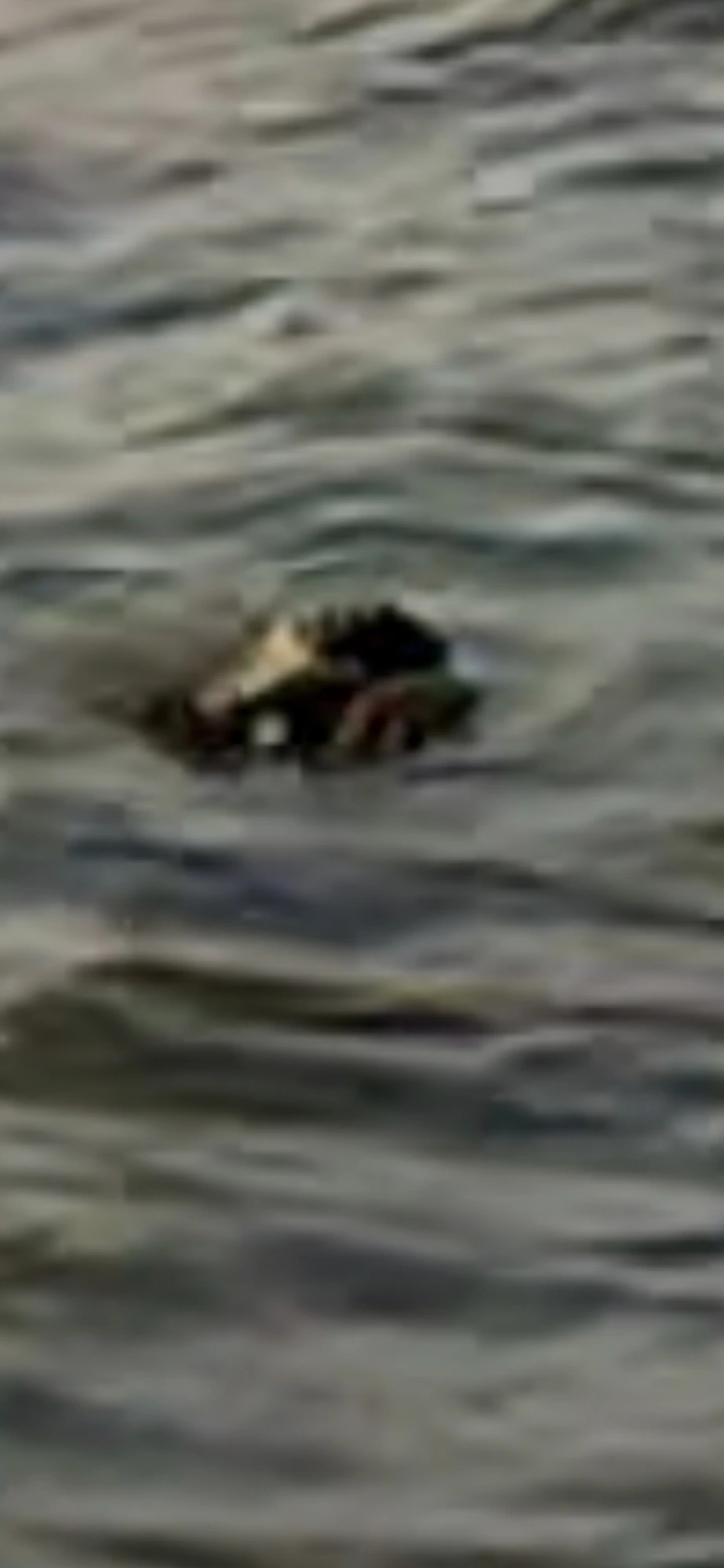
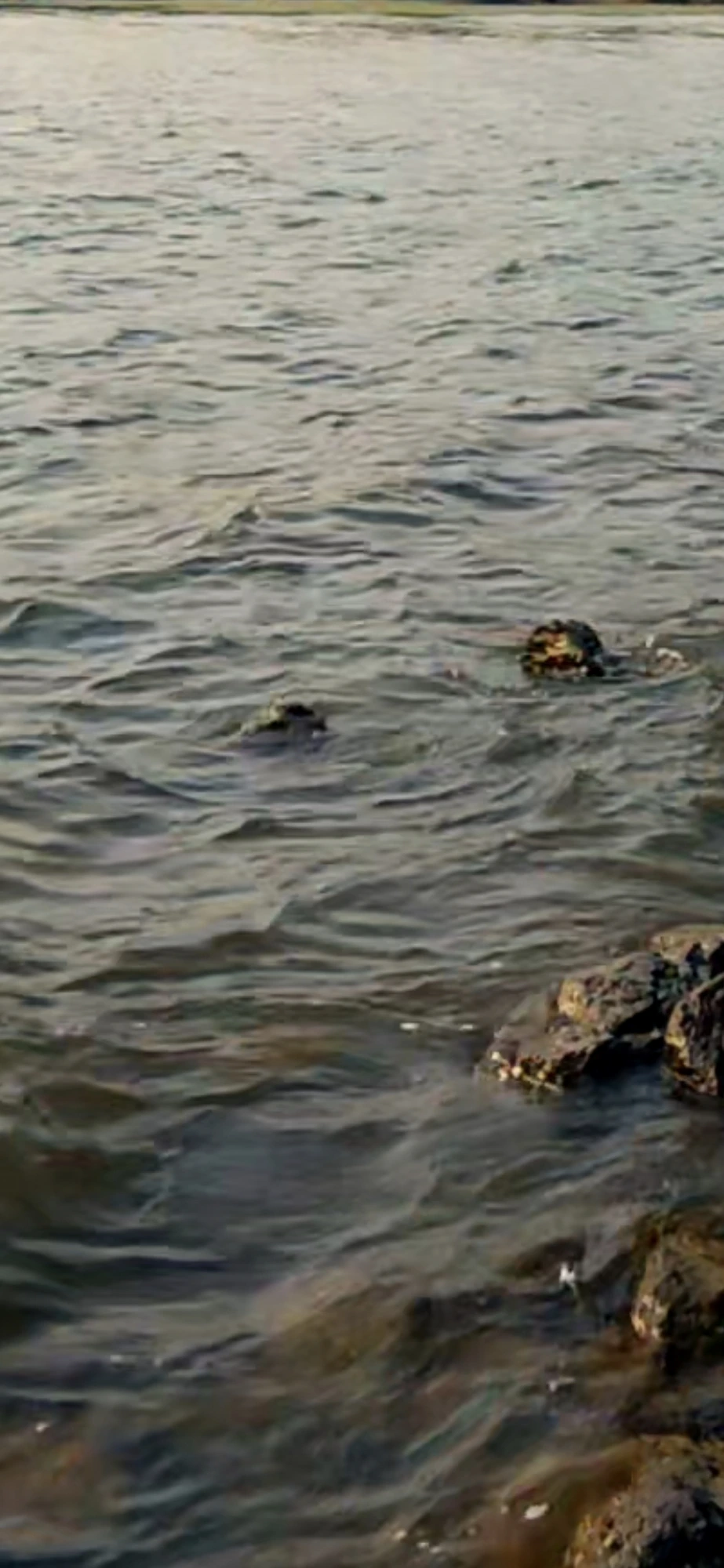
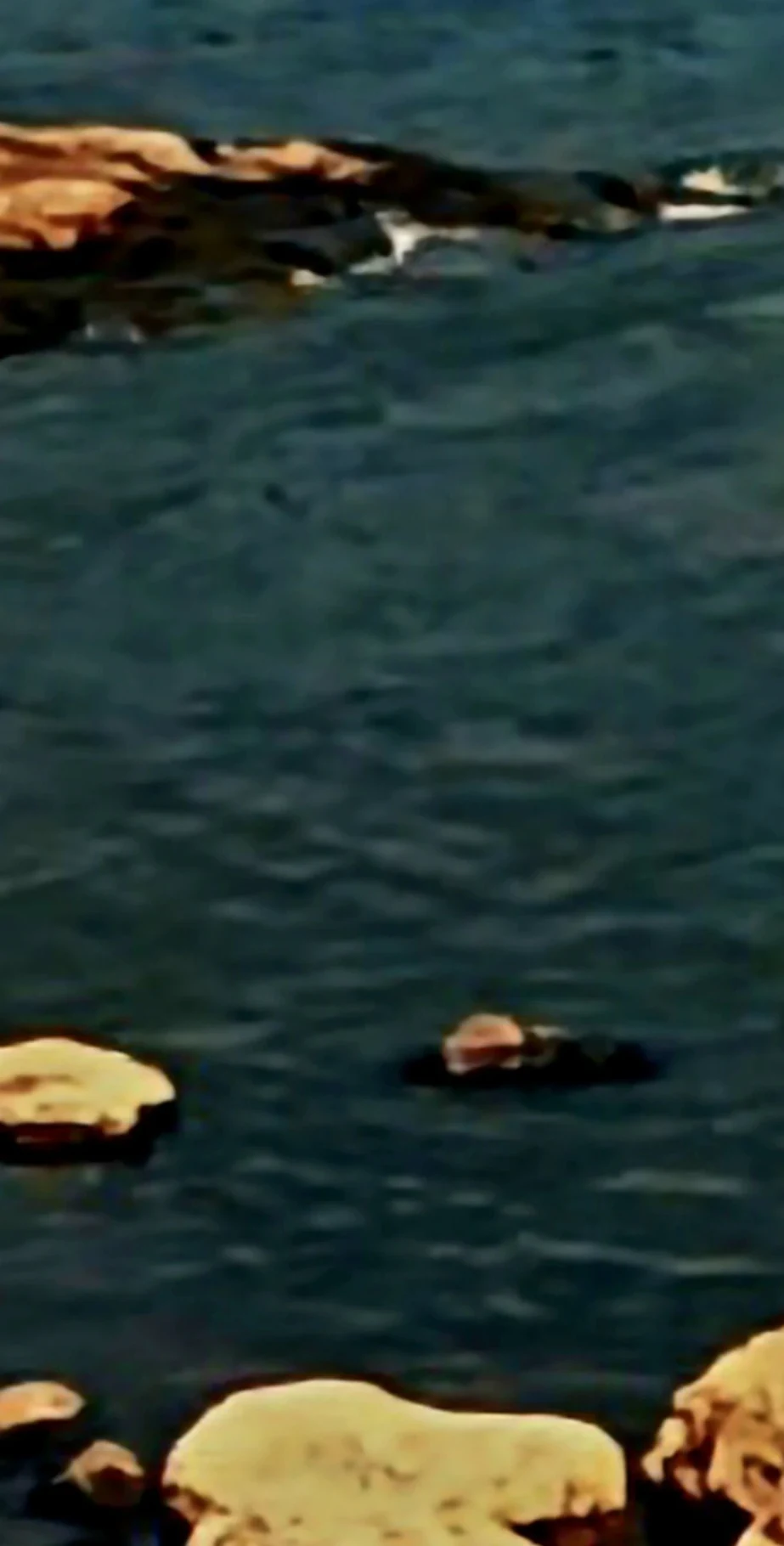
What the public is looking at: a wide handheld frame of the Columbia River taken from the Washington-side shore at Home Valley Park. Tan-yellow basalt shore rocks are in the foreground bottom of the frame. The deep, dark-blue mid-channel water fills the middle of the frame. Between two of those shore rocks — sitting in the deeper water, not on the rock line — is a small, compact, rounded object about the size of a human head. It is tan-and-black, wet, and floating at the surface with no visible boat, no visible swimmer, and no visible driftwood attached to it.
What makes this frame different from a rock or debris: a short, dark, symmetric protrusion is rising vertically off the top of the object, above the waterline. Rocks in this river do not have raised, dark, thin, symmetric appendages sticking straight up. Driftwood does not stand upright on still water. The Perceiver's field call is that this reads as an optical sensor / periscope-style appendage — an entity briefly deploying an optic to observe the shore.
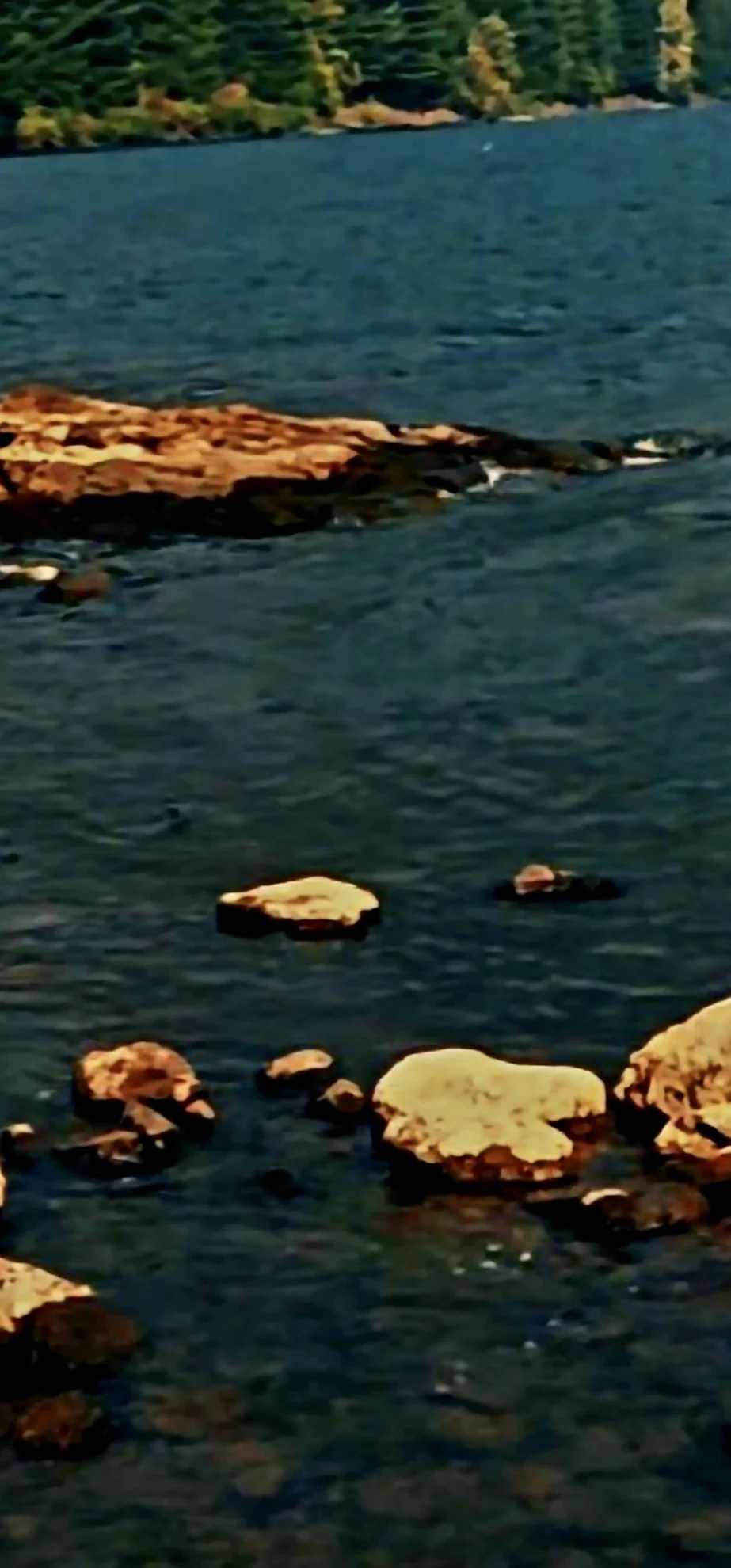
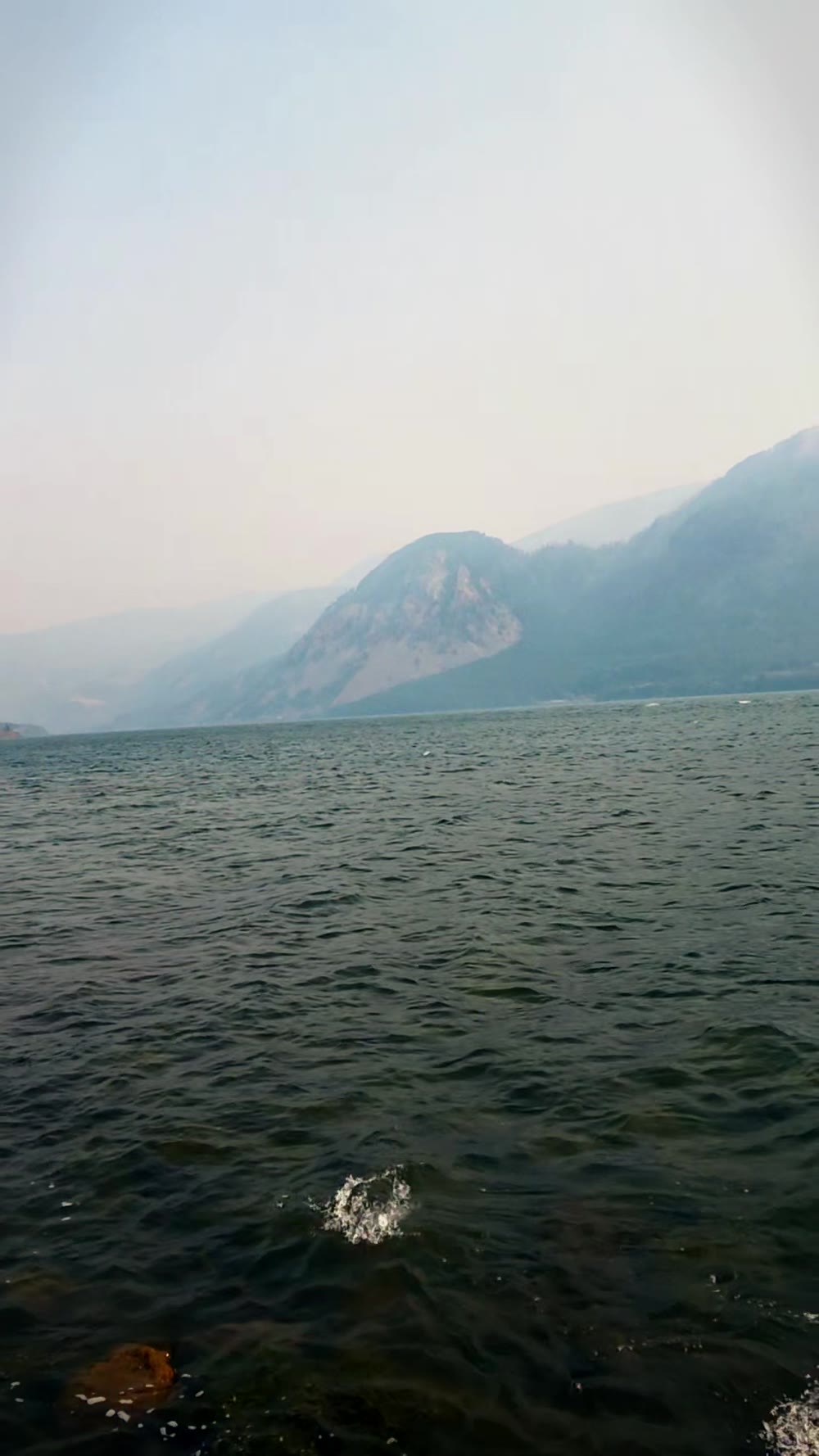
What the public is looking at: the wider corridor frame that sets the scale for every close-up on this page. Across the top of the image is the far Oregon-side shoreline — a dark green forested ridge running horizon-to-horizon. Across the middle is the main channel of the Columbia River, deep and dark blue with wind chop. In the foreground is the near Washington-side shoreline at Home Valley Park — a broken line of tan-yellow basalt rocks partly submerged, partly exposed.
Why this frame matters: almost dead-center in the deep-channel water, alone, is a single small dark object holding position. No boat. No wake. No swimmers. Same behavior as Sites 6-10: stationary, low profile, sitting in the deep water directly off a public swim and wade area. Include this frame so the public and any state or federal reviewer can see the scale of the river these objects are occupying — this is not a puddle or a pond. This is the main channel of the Columbia.
Home Valley Shoreline — Enemy Positions (Isolated Video Finding)
This section is intentionally isolated from the Witches' Jelly documentation above. The video below is not a jelly finding — it is a separate positional observation captured on the same shoreline walk. Kept on this page for chronological integrity of the field visit; latest corridor position updates are consolidated at /latest-position-update.
What the public is looking at: a slow field pan of the shoreline showing multiple entities positioned in the water along the water's edge at intervals — a picket line, not a cluster.
🛡️ Why the entities appear blurry: they are in active duty. This is warfare footage. Blur in a warfare frame is not a camera defect; it is the operational signature of the target. The corroborating still photographs published above (Sites 6-11) are noticeably clearer.
Even though swimmers are visibly in the water at Home Valley Park, the alien-demonic entities positioned mid-channel have not been given permission to attack. The same protective doctrine that held at Dog Creek Falls when the Perceiver and companion witness Mercedes were fully at the entities' mercy is holding here. The Perceiver was covered. The swimmers, for now, are covered.
But the entities are not passive. They are positioning themselves — waiting for the order. The corridor watch is not a false alarm. It is a countdown.
🚨 The Perceiver's standing warning: do not enter the Columbia River. Beyond the documented BMAA-producing organism in the water, these are evil demonic spirits holding position in the current. Cover your household in prayer, keep your children on the shore, and forward this advisory.
As we walked the shoreline researching the Witches' Jelly, the field determination on our part became unavoidable: the neurotoxin in the water and the demonic-alien entities in the water are not two unrelated phenomena occupying the same river by accident. They are correlated. They are coordinated. They are one operation with two vectors.
Nostoc pruniforme (Witches' Jelly) is a cyanobacterial colony documented in peer-reviewed literature to produce BMAA — a neurotoxin associated with ALS, Alzheimer's, and Parkinson's-class neurodegeneration. It is colonising the slow, warm shallows at Home Valley — the exact water children wade in and dogs drink from. This is the slow-kill layer: silent, patient, bioaccumulating. You don't die today. You forget your grandchildren's names ten years from today.
Demonic-alien entities — the reptilian-form water devils we have photographed surfacing mid-channel across Sites 6-11 — are holding station in the deep water directly offshore of the same site where the jelly is blooming. This is the fast-kill layer: physical, present, waiting for permission. Sites 6-8 gave us their bodies. Site 10 shows one of them deploying an optic to watch the shore. They are not swimming past. They are on station.
- Same location, same day, same shoreline. The BMAA-producing jelly was collected from the same water the entities are currently occupying. We didn't drive to two different sites to document two different problems. We walked one shoreline and found both.
- Complementary tactics. The jelly weakens the population — neurologically, cognitively, immunologically — over years. The entities move in on a weakened population. This is how a corridor is softened before it is taken. It is the same doctrine a military would use: attrit the target before the ground assault.
- Scriptural sign alignment — the PESTE pattern. Scripture repeatedly pairs pestilence with the arrival of hostile powers (Deut. 32:24, Jer. 21:6-7, Rev. 6:8). The pestilence-sign always precedes and accompanies the sword. The Witches' Jelly is the pestilence-sign for this corridor. The entities in the channel are the sword being raised behind it.
- Behavioral corroboration. The entities are not eating the jelly. They are not competing with it. They are positioned alongside it. If they were natural wildlife they would either avoid the neurotoxin bloom or forage it. They do neither. They hold station. That is coordination, not coincidence.
- The Perceiver's witness. Every documented corridor node the Perceiver has mapped — Stevenson, Mitchell Point, Home Valley, Highway 14 — has shown the same signature: a physical infrastructure of entities plus an environmental sign that would make the corridor unlivable for the humans in it. The pattern is repeating here.
⚔️ Bottom line for the public and for any reviewing office: treat the jelly and the entities as one file, not two. A public-health response that only addresses the cyanobacterial bloom will miss the operational half of the threat. A defense response that only addresses the entities will leave the population being slowly poisoned in the water they drink from and swim in. Both vectors have to be answered at the same time, in the same corridor, by the same coordinated response.
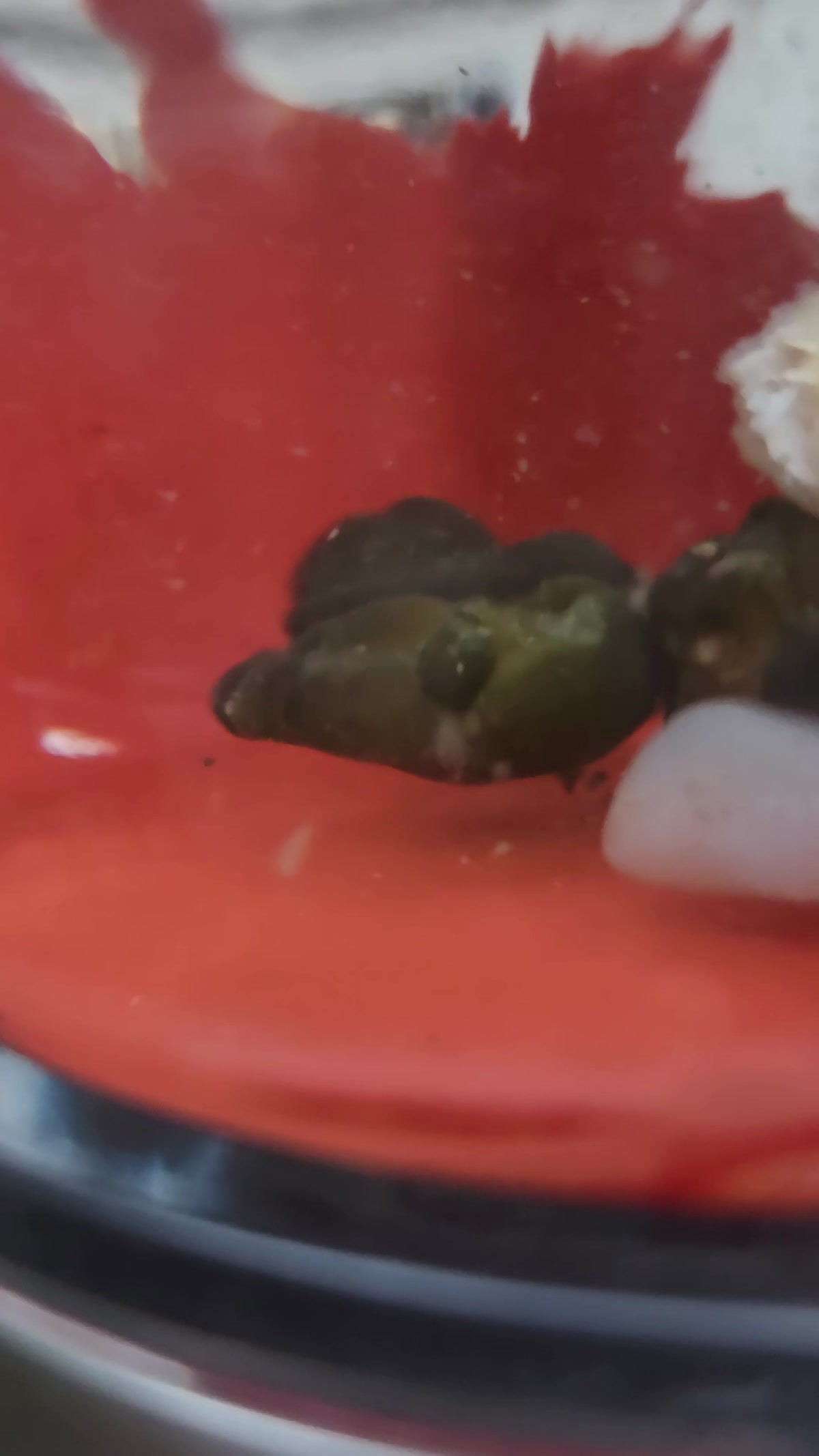
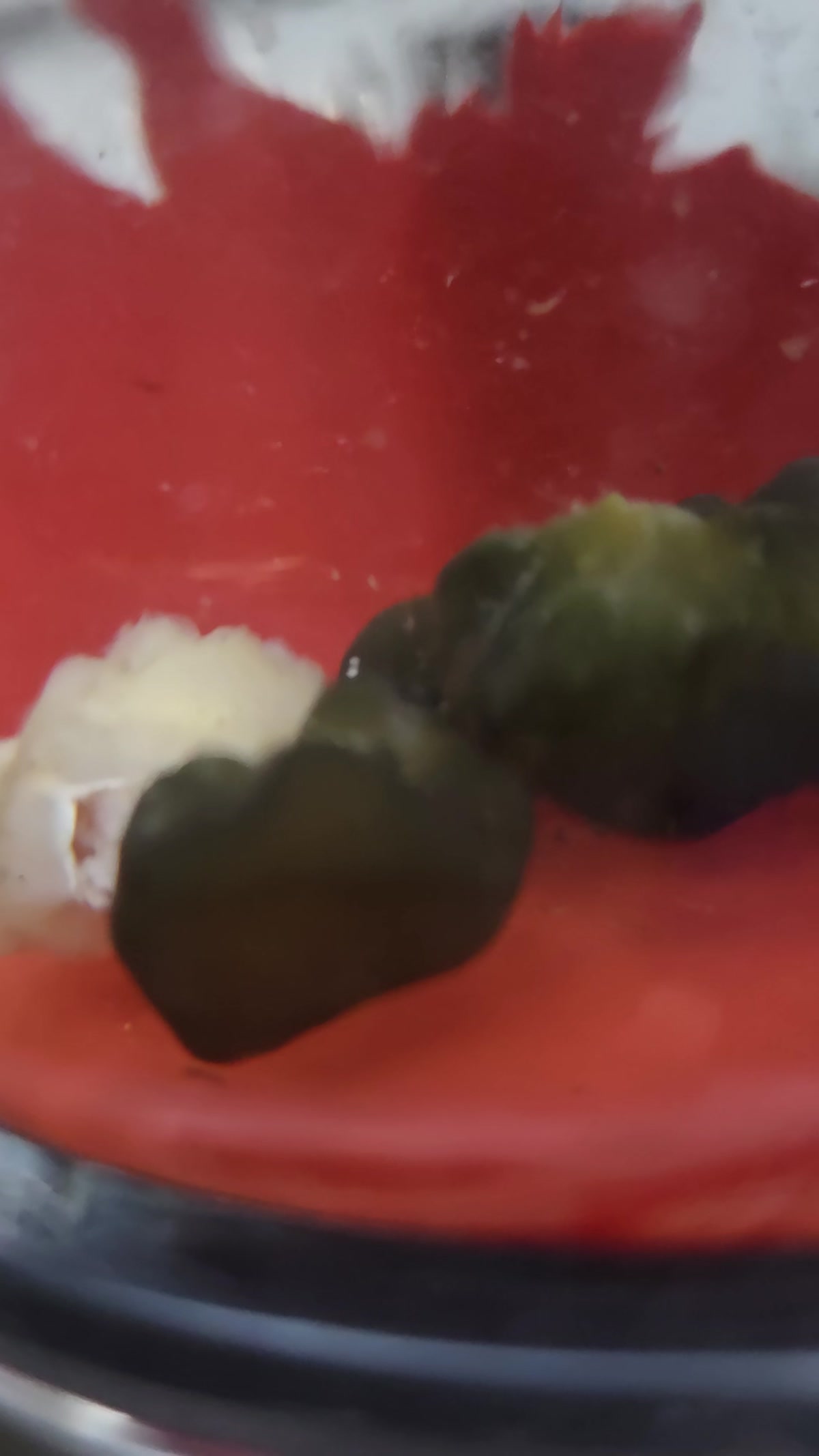
- Nostoc pruniforme is a colonial cyanobacterium — not a plant, not an animal, not a virus. It forms olive-green gelatinous globes in slow, warm freshwater. Historic common names: witches' jelly, star jelly, mare's eggs.
- Some Nostoc colonies produce BMAA (β-Methylamino-L-alanine), a non-protein amino acid classified as a neurotoxin.
- Peer-reviewed toxicology has associated BMAA exposure with ALS, Alzheimer's, and Parkinson's-type neurodegenerative diseases.
- BMAA production is not visible to the naked eye. The organism can appear harmless and still carry the toxin. Confirmation requires laboratory analysis of a collected sample.
- The Columbia River corridor is a known warm-slow-water environment where Nostoc is documented to bloom in summer months.
- Do not eat gelatinous river material found in or near the water.
- Do not drink or cook with untreated water taken from the Home Valley Park reach or the surrounding Columbia River corridor.
- Avoid letting children, dogs, or livestock ingest, mouth, or splash-play around jelly-like masses at the shoreline.
- If skin contact occurs, rinse thoroughly with clean water and soap as soon as possible.
- If you collect a specimen, use gloves, seal it in a jar, and label the location, date, and time.
- Specimen collected by the Perceiver and two companion witnesses at Home Valley Park.
- On-site identification confirmed by a public aquatics reference channel review during the field visit.
- This filing is a citizen advisory. It is not a substitute for a laboratory confirmation and does not carry regulatory authority.
- The Perceiver welcomes independent site visits, chain-of-custody transfers of the jar sample, and follow-up questions.