🌙 Lunar Anomalies
Years of Direct Moon Observation by The Perceiver
The Moon is not an inert satellite. Over years of patient observation — through binoculars, telephoto lenses, and night-vision equipment — The Perceiver has documented a series of anomalous events on and around Earth's lunar companion: surface structures that do not match known geological features, sudden flashes and color-shifts, transiting objects between the Moon and Earth, and patterns that repeat across observation cycles.
This page curates those captures. The evidence here is circumspective — the Moon is 238,900 miles away, and even with good equipment, deep detail is at the edge of what is photographable from the ground. Where the camera shows dots and silhouettes, the Perceiver's direct observation fills in the additional layer of intelligence. Both are presented honestly.
🛰️ Lunar Observation Archive
🌘 Elongated Dark Anomaly — Upper Limb
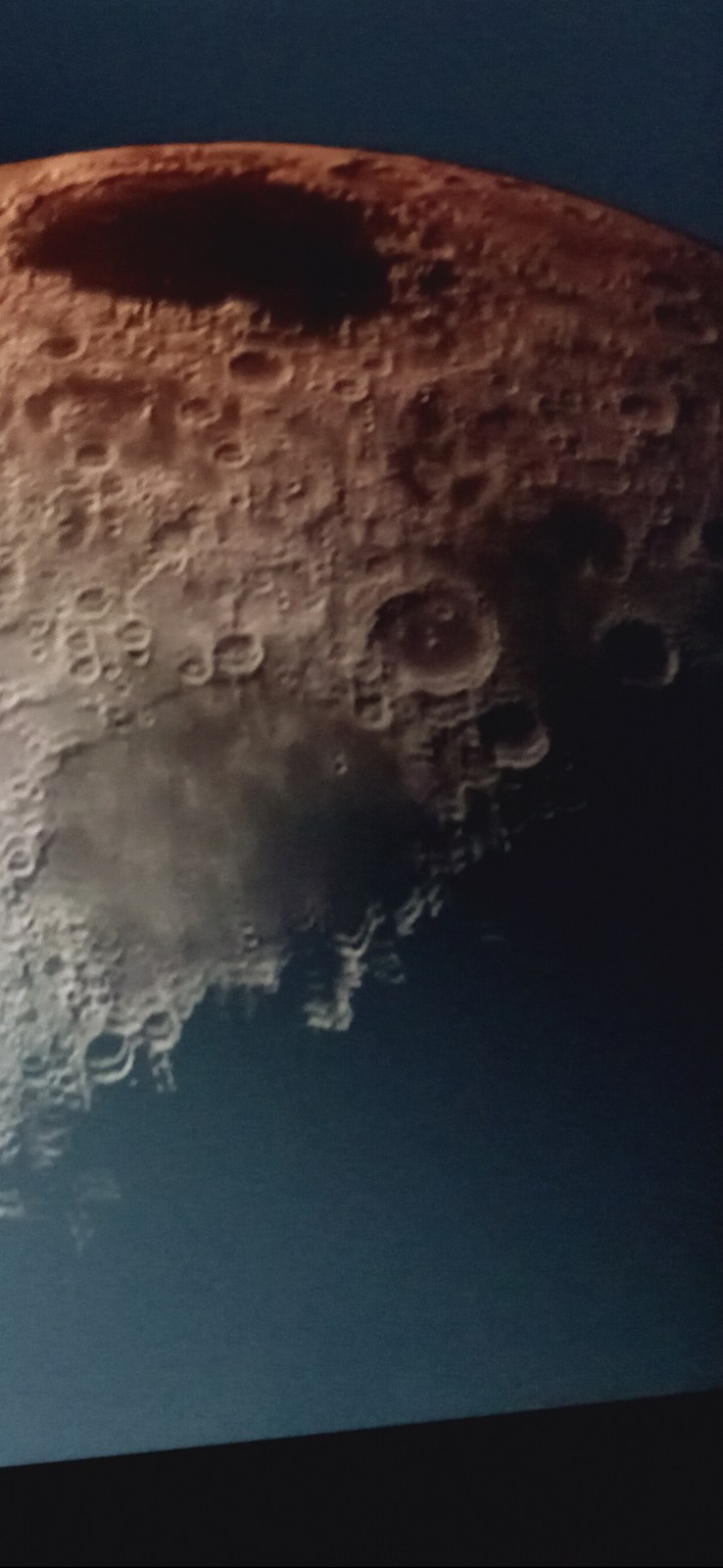
📸 WIDE CAPTURE — Full Moon with Anomaly Visible on Upper Limb (Samsung Galaxy A03s — Direct Field Capture)
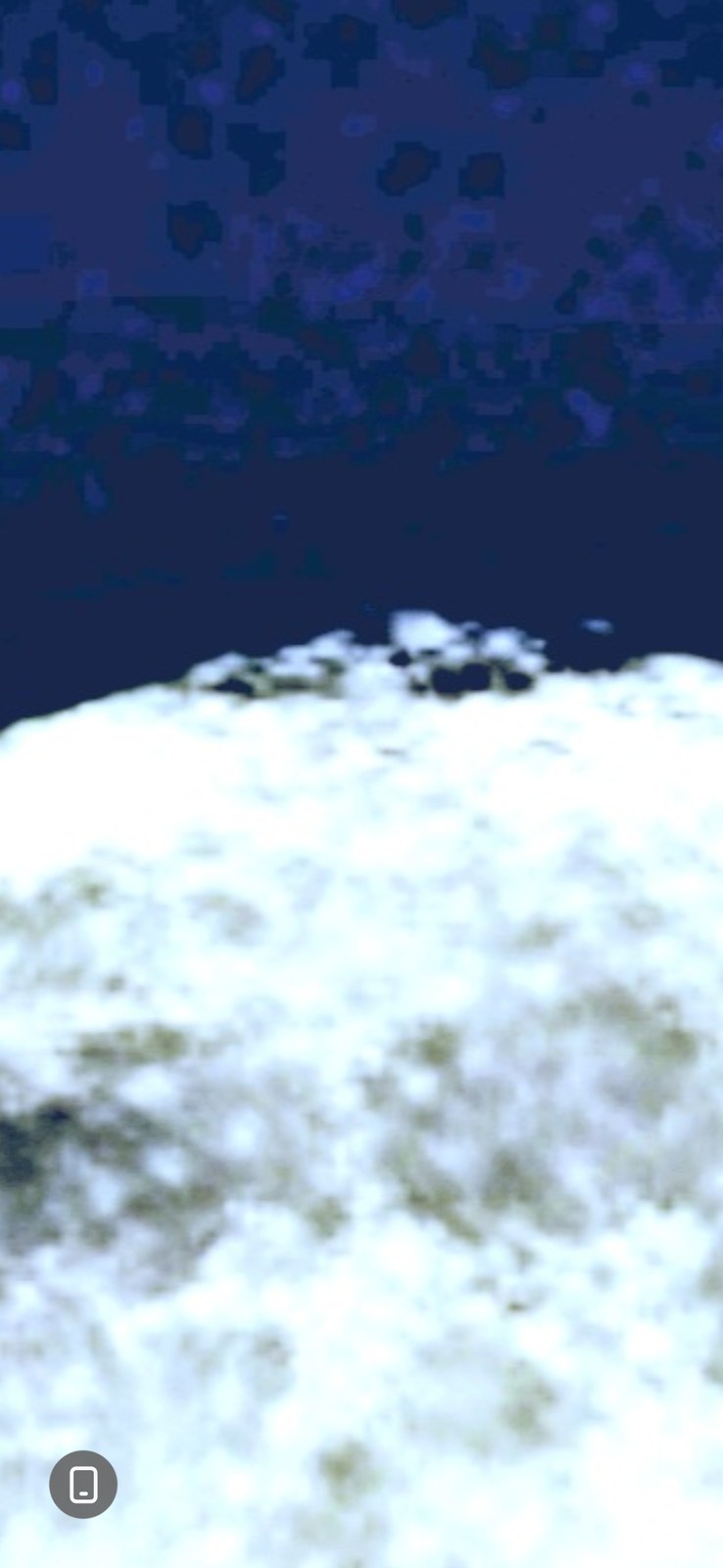
🏗️ EXTREME ZOOM — Very Large Structure on Top of the Moon (Resembling Facilities, Buildings, or Machines)
📸 WHAT THE CAMERA CAPTURED: A very large multi-segment dark feature resting on the upper limb of the Moon. Surrounding the anomaly are hundreds of real craters — all of them perfectly circular shadowed depressions, consistent with billions of years of meteoric impact. This feature is not round. Its size, segmentation, and edge geometry place it outside the expected pattern of natural lunar geology.
👁️ WHAT THE PERCEIVER OBSERVED: This is not a crater and not an impact scar. The structure reads as facilities, buildings, or machines sitting on top of the lunar surface — a constructed or occupied installation. The geometry is too regular, too segmented, and too sharply bounded to be natural. The Perceiver has been watching this region across multiple observation cycles and the structure is not a lighting artifact; it persists, it is built, and it is on top of the Moon.
Evidentiary Status: Circumspective. The camera records the shape; the Perceiver records the reading. Independent observers with their own equipment are invited to train their instruments on the same region and compare.
📂 OPEN FILE — LUNAR ANOMALIES: Additional captures — surface flashes, transiting objects between the Moon and Earth, infrared and color-filter passes — are being curated from years of observation and will be added here as the Perceiver retrieves them. This file remains open and active.
🌘 The Moon Imposter — Highway 14, Columbia River Gorge
⚠️ NOT THE MOON: The white luminous object in the video below was filmed along Highway 14, heading east through the Columbia River Gorge. At first glance it reads as a distant moon. It is not. When the Perceiver zoomed in, the deception was revealed.
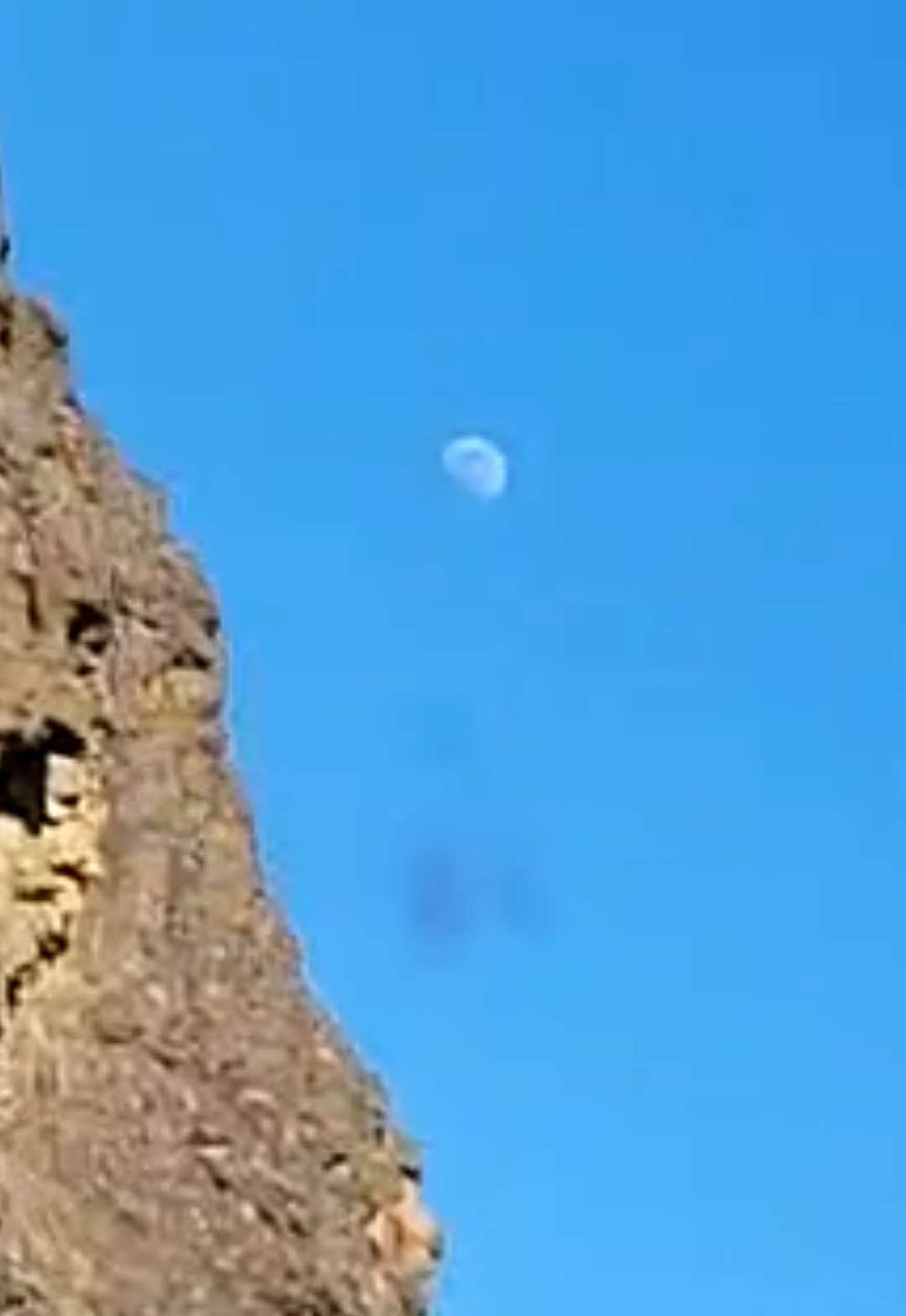
🏔️ ENVIRONMENTAL CONTEXT #1 — Above the Forested Ridge (Timestamped Nov 10, 3:29 AM)

🏔️ ENVIRONMENTAL CONTEXT #2 — Above the Rocky Cliff Face (Visible in Broad Daylight)
📍 OBSERVATION SETTING: These two wide-field captures establish the geographic and temporal context. The object was tracked against both forested mountain terrain AND rocky cliff formations — and was visible at 3:29 AM as well as during daylight hours. Day-visibility alone is a red flag: depending on lunar phase and position, the real moon should not be this luminous in a bright blue daytime sky.
🎬 HIGHWAY 14 CAPTURE (1:17) — The "Moon" Filmed from a Moving Vehicle Eastbound Through the Columbia River Gorge

🔍 EXTREME ZOOM — White Square Module Inside Cotton-Cloud Puff + Entity Alongside
📸 WHAT THE CAMERA CAPTURED: At normal field-of-view along Highway 14, a luminous white disc hanging in the sky — visually indistinguishable from the real moon to a casual observer. On extreme zoom, the "moon" resolves into an artificial white square-shaped structure nested inside a puffy, cotton-like cloud formation, with a distinct second figure / creature positioned alongside the square module.
👁️ WHAT THE PERCEIVER OBSERVED: This is not a lunar body. It is a camouflaged craft or entity projecting the visual signature of the moon at distance — active optical deception technology deliberately deployed to blend into the ordinary night sky and escape attention. The square module is clearly constructed. The accompanying creature is either an operator, an occupant, or an additional being traveling alongside the craft. The cotton-cloud "shell" is the camouflage layer itself — a vapor or plasma envelope masking the hard-edged internal structures.
Evidentiary Status: Circumspective, but visually decisive. When what appears to be the moon reveals a square and a creature inside, it was never the moon. The public is invited to ask: how many "moons" in our sky are real, and how many are watchers wearing a costume?
🌕 Second Moon Imposter — Underwood Hill (Nighttime + Particle Drops)
⚠️ THREE ANOMALIES IN ONE SIGHTING: Filmed along Highway 14 at the bottom of Underwood Hill in the Columbia River Gorge at night. The Perceiver observed three simultaneous anomalies: (1) an abnormally bright "moon" — unnaturally luminous, brighter than physics should allow; (2) a cloud wearing a face — the surrounding cloud formation displaying distinct facial features; (3) particles being dropped from the cloud — active emission of small objects at night.
🎬 UNDERWOOD HILL NIGHT CAPTURE (0:38) — Highway 14, Columbia River Gorge. Note the Abnormal Brightness and the Cloud Formation Surrounding the "Moon."
🎬 PARTICLE DROPS — SLOW MOTION (0:22) — Same Underwood Hill engagement, captured in slow-motion to isolate individual particles being released from the facial cloud. Watch the discrete dark objects detach from the luminous zone and descend.
📥 STILL #1 — Isolated single particle, mid-descent

📥 STILL #2 — Multiple particles released in burst

📥 STILL #3 — Wider field, dispersion pattern

📥 STILL #4 — Paired particles in tight formation
📸 WHAT THE CAMERA CAPTURED: A luminous white object of unusual brightness positioned in the nighttime sky at the base of Underwood Hill. Surrounding the object is an ambient cloud formation exhibiting facial features — eyes, a nose-zone, and a mouth outlined in the vapor structure. During the capture, small discrete particles are visibly released from the cloud zone and track downward.
👁️ WHAT THE PERCEIVER OBSERVED: This is a second instance of the moon-imposter phenomenon first documented on Highway 14 eastbound (see entry above). The brightness is abnormal — not consistent with the known lunar phase and elevation at the time of observation. The facial cloud is not a pareidolia artifact; it is a deliberate manifestation — an intelligence embedded within or projecting through the camouflage layer. And the particle drops indicate active operational release — this craft is not merely transiting, it is deploying something into the environment. This elevates the moon-imposter from passive camouflage to active mission conduct.
Evidentiary Status: Circumspective. The Perceiver asks the public to consider: if a "moon" can be too bright, wear a face, and release particles, then what is it, really? Independent skywatchers in the Columbia River Gorge corridor are invited to record the Underwood Hill sky at night and report what they see.
☀️ Daytime Counterpart — Stevenson, WA Particle Drops Over the River
🌥️ DAYTIME PARALLEL: Filmed in Stevenson, Washington, looking out over the Columbia River. Cloud bank parked over the river, sun breaking through, and — moving against the wind and the cloud structure — discrete dark particles in the same drop pattern previously documented at Underwood Hill at night. Same phenomenon, different lighting condition.
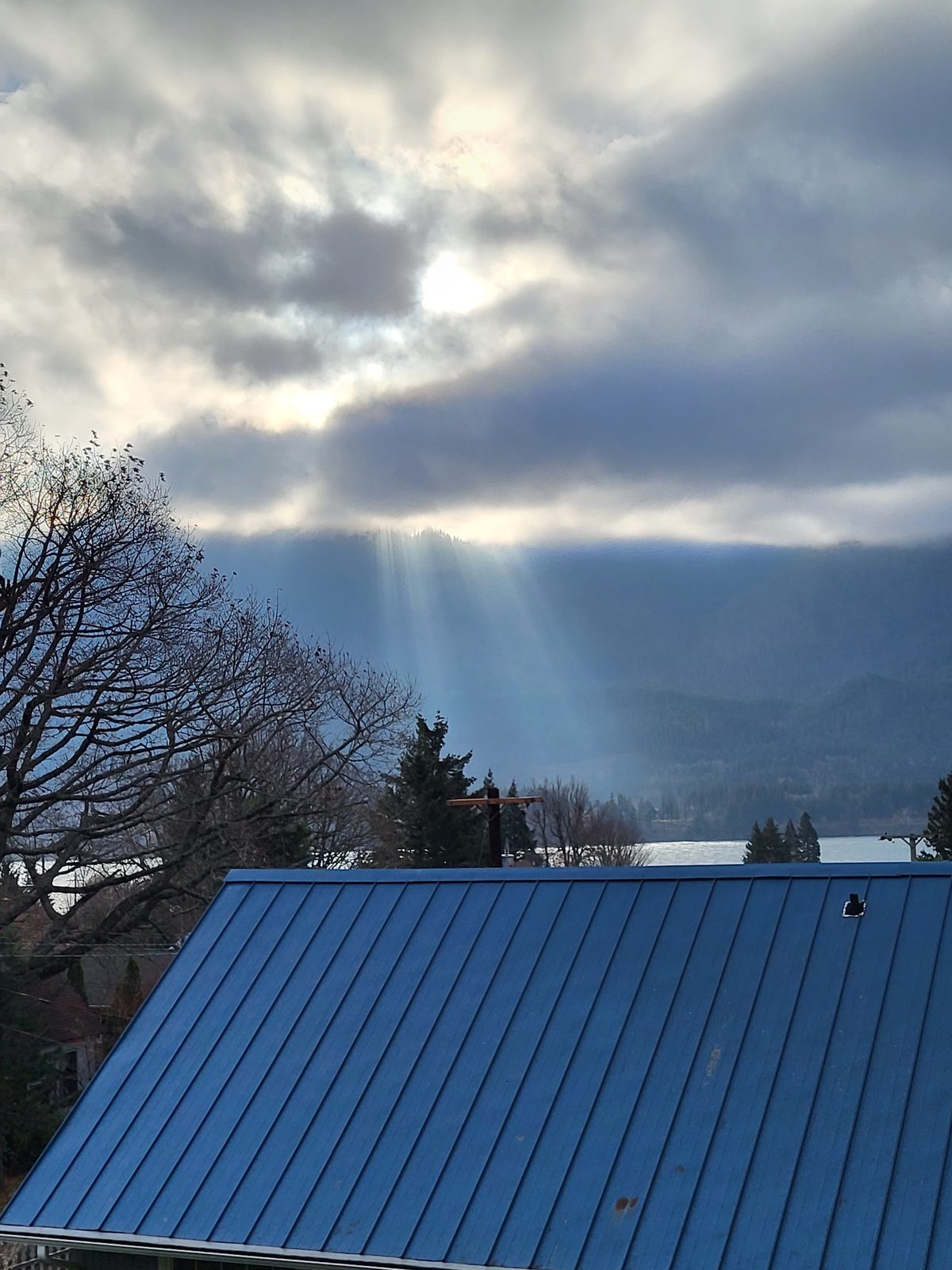
🌤️ FRAME 1 — Wide field, sun rays piercing the cloud bank over the river
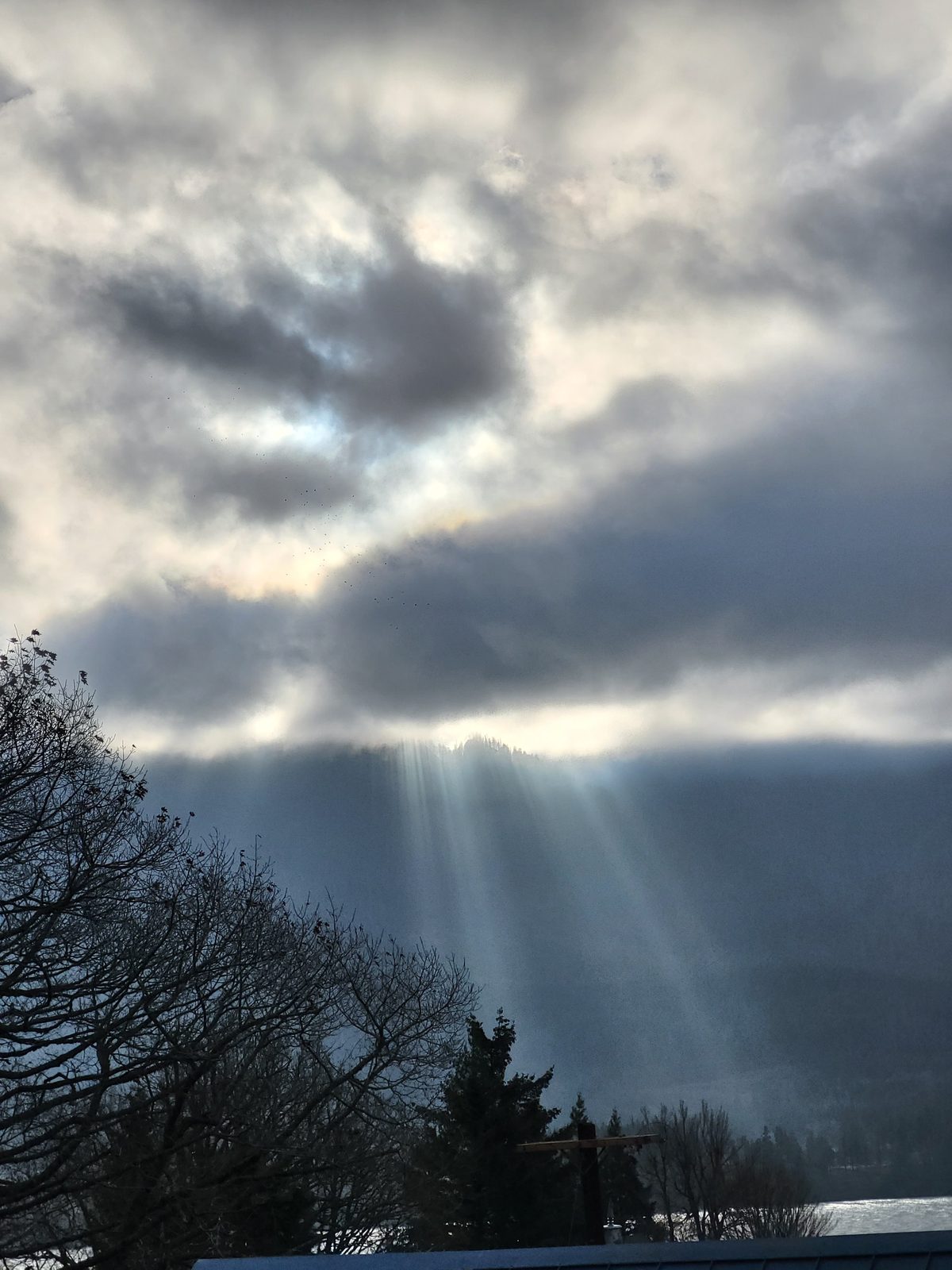
🔍 FRAME 2 — Cloud zoom: dark discrete particles dispersed throughout
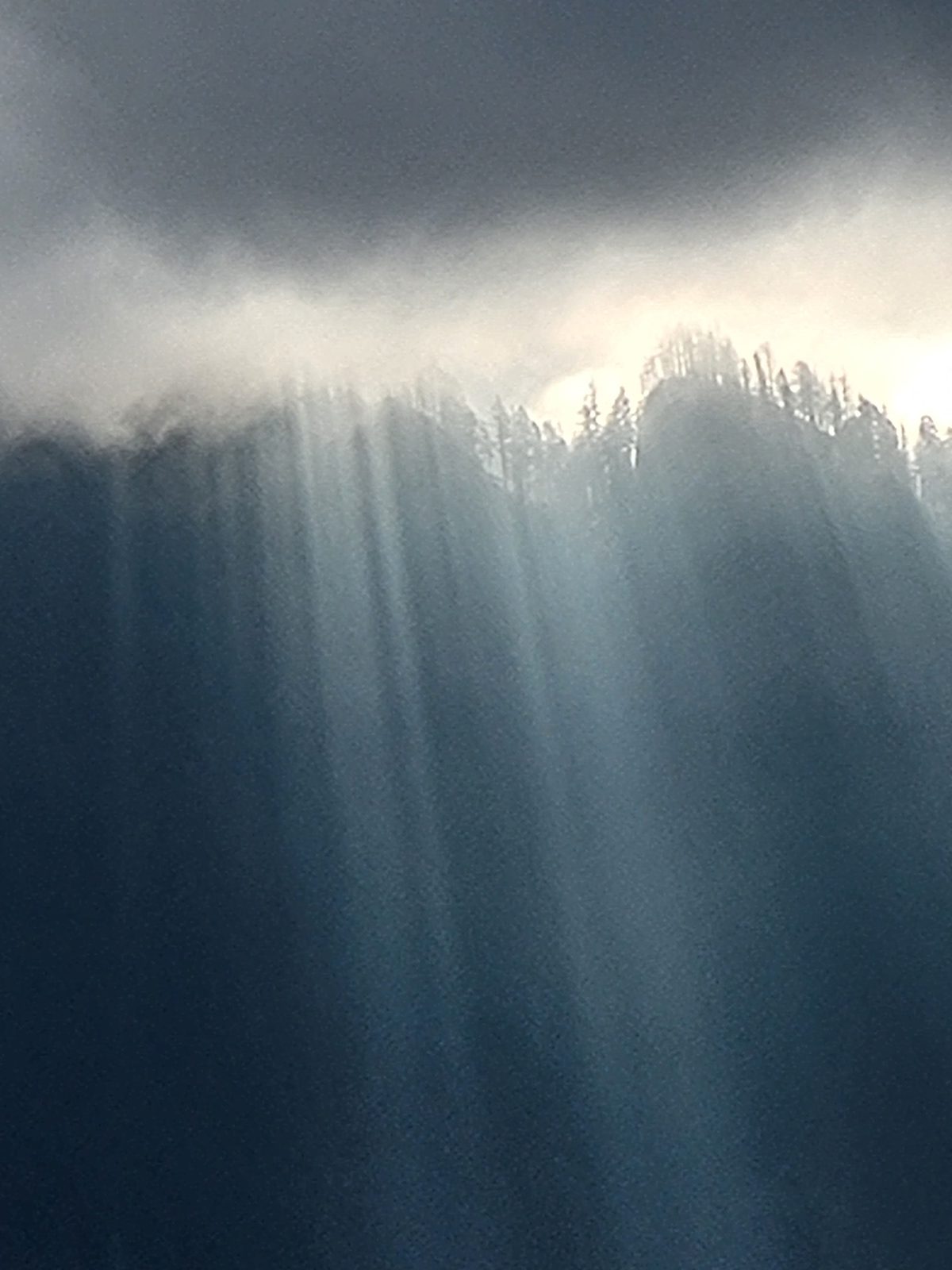
📍 FRAME 3 — Environmental context (riverside vantage)
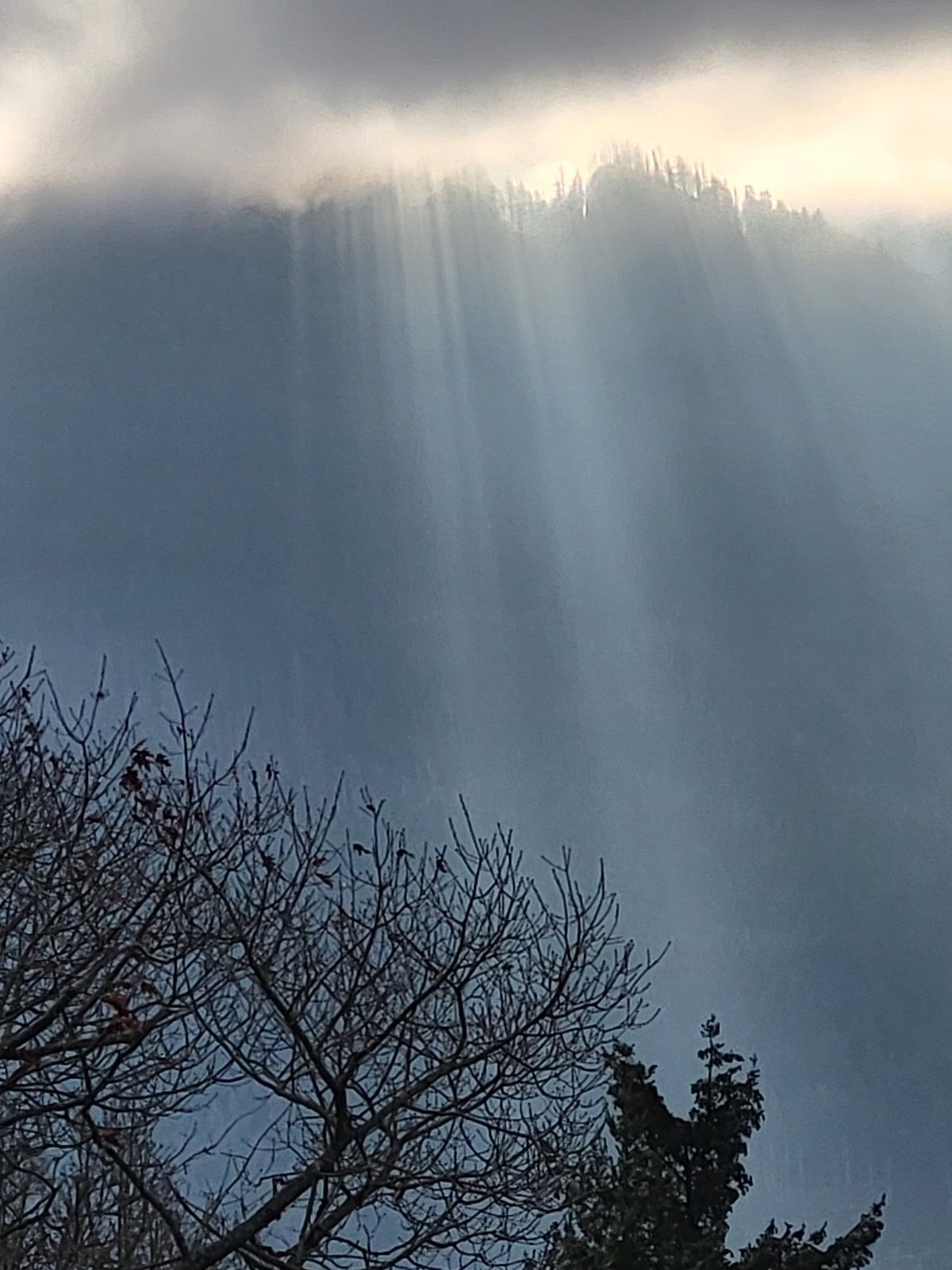
🔍 FRAME 4 — Second zoom showing particle concentration near the bright core
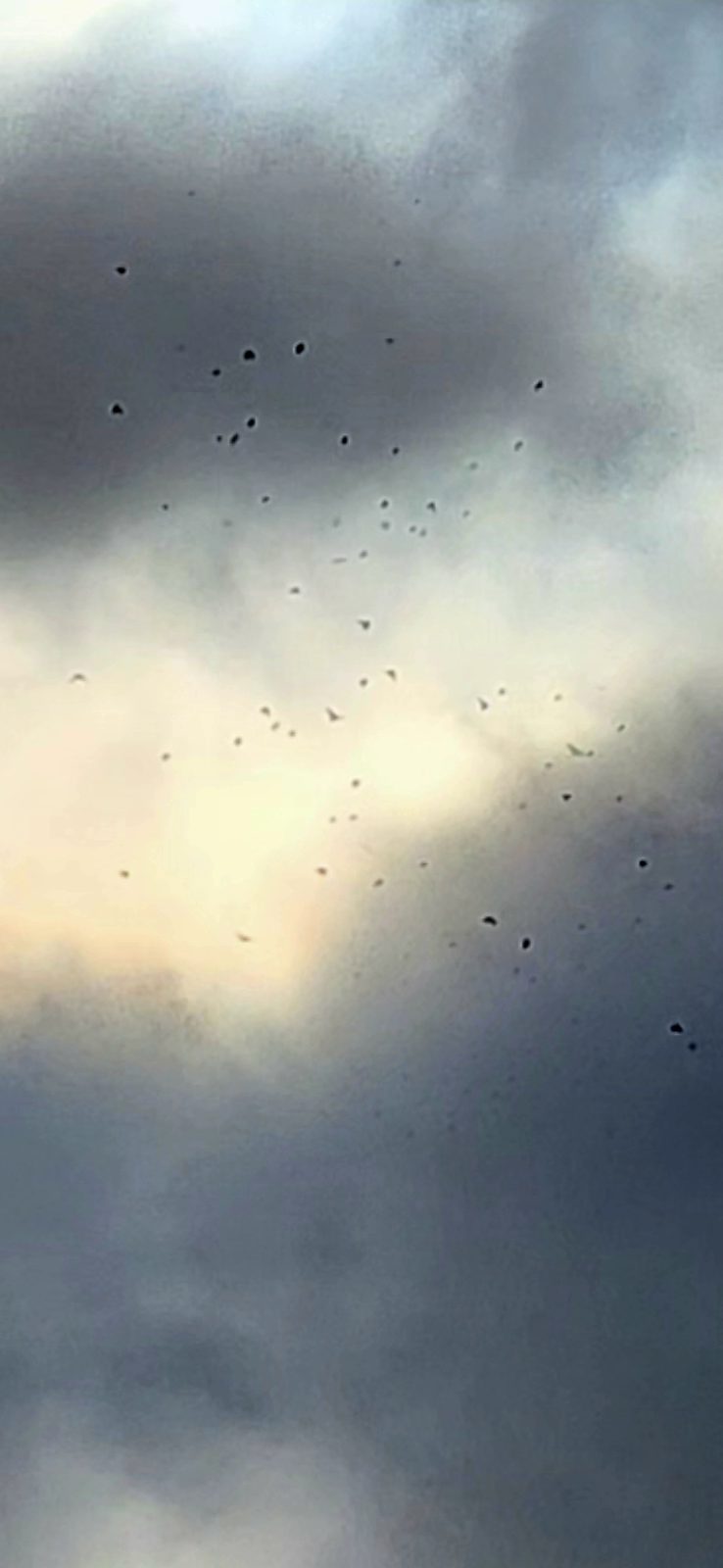
🎯 FRAME 5 — Tightest zoom: dense particle field across the lit cloud face
📅 NOVEMBER 2025 — ZOOMED SEQUENCE: A second Stevenson capture session by the Perceiver, looking from the Washington side across the Columbia River into the Gorge. Same operational signature — strange sizeable material being dropped over the Columbia River — captured this time with closer zoom levels for inspection of individual particles.
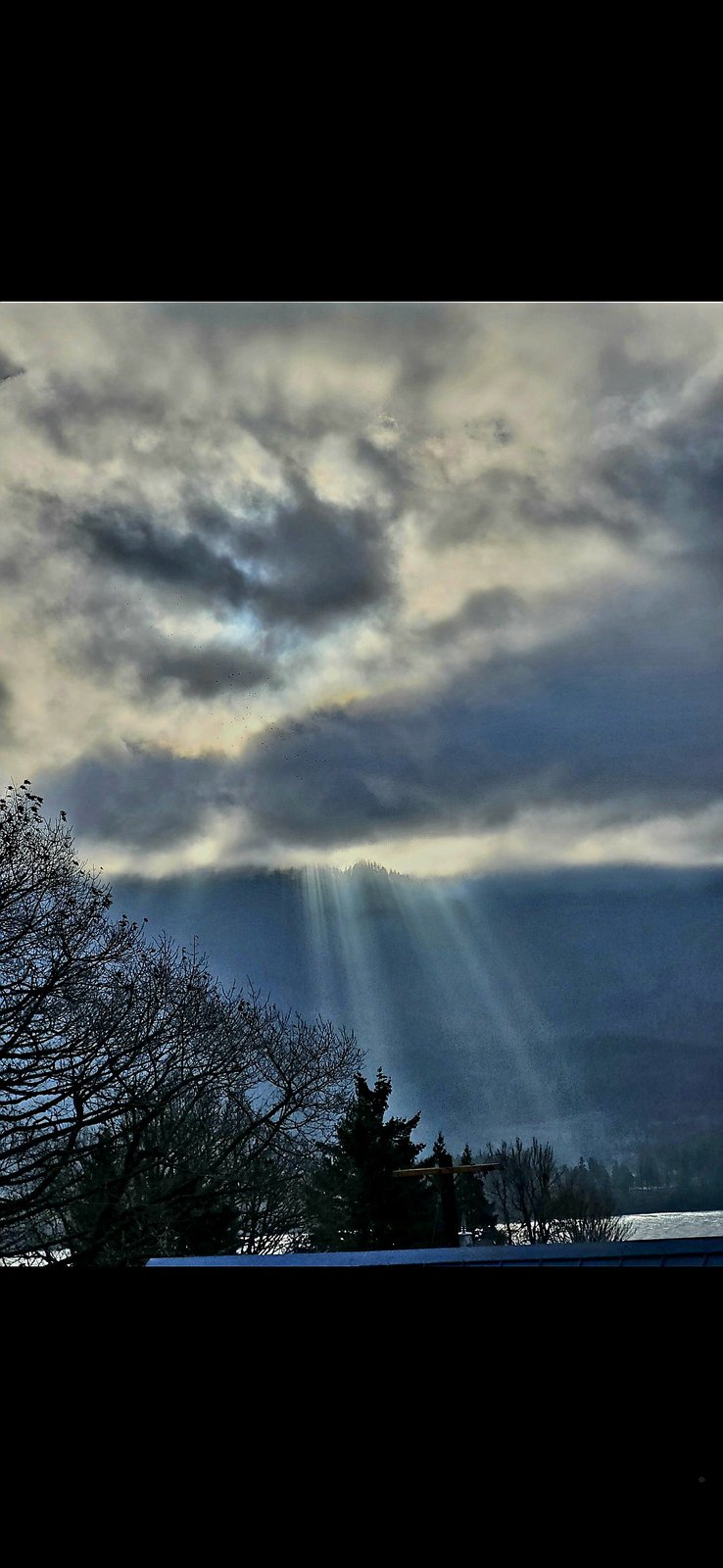
🌤️ NOV 2025 — Wide field, rays descending across the river (tree foreground)
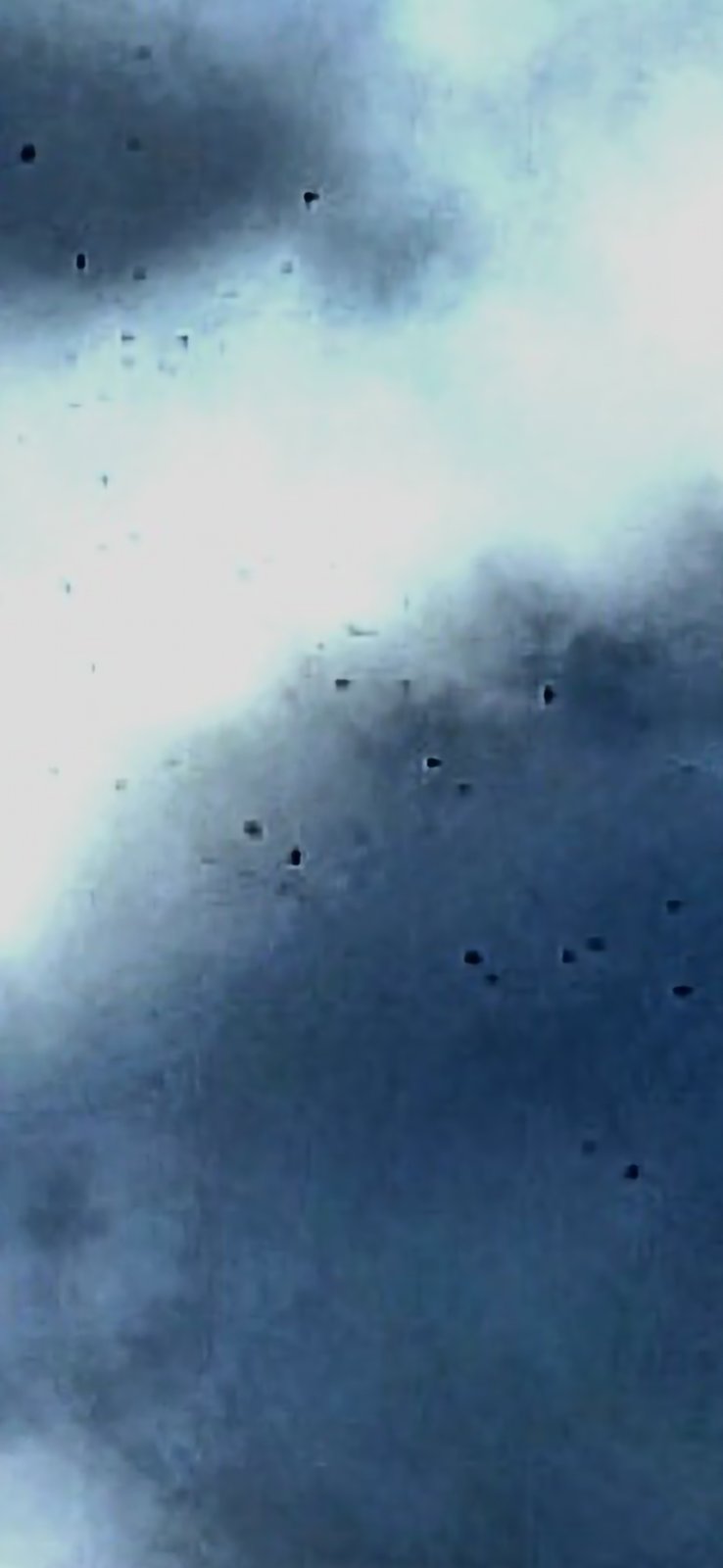
🔍 NOV 2025 — Mid zoom on the descending ray band, particles visible inside
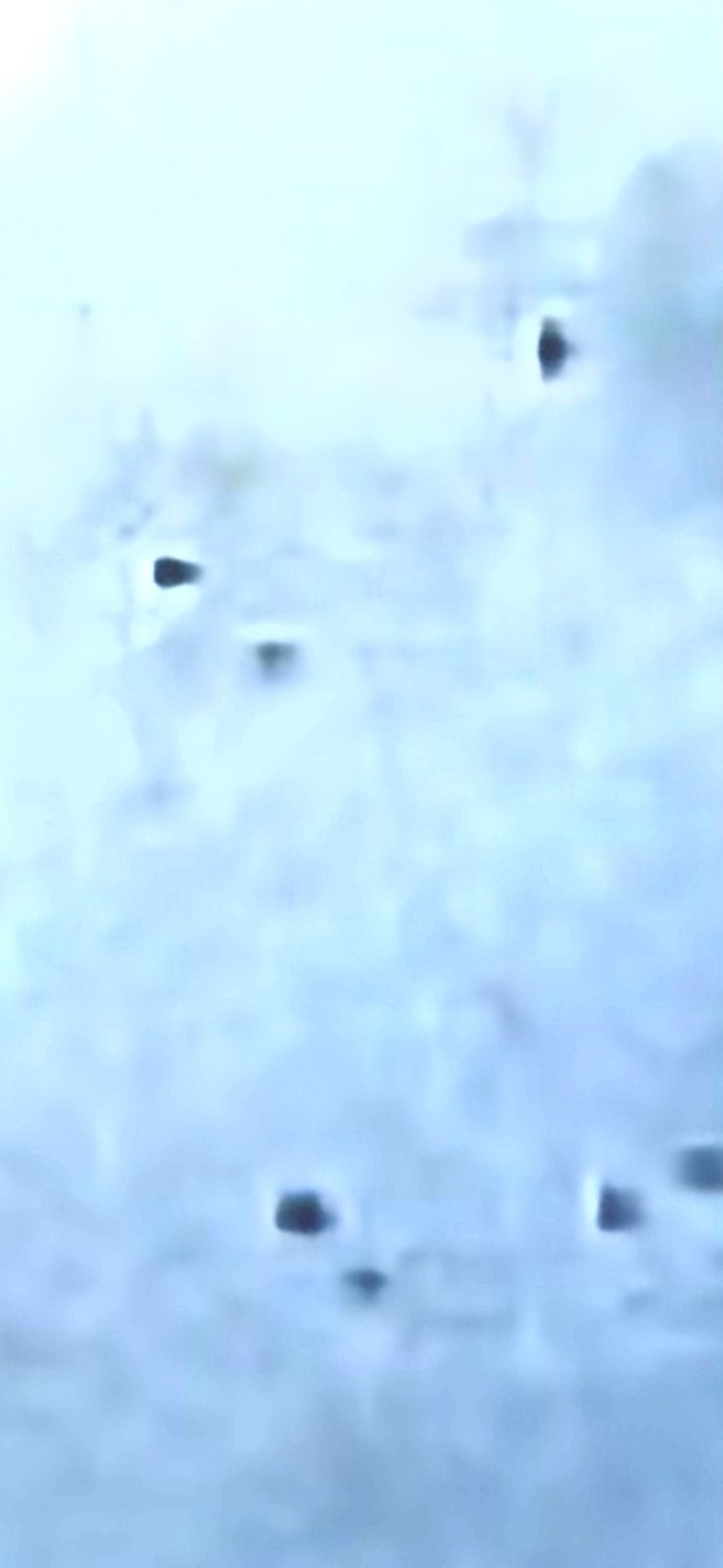
🔍 NOV 2025 — Close zoom: dark particles dispersed across pale cloud face
🎯 NOV 2025 — Particles isolated against suppressed background (visual aid)
📍 Field note: November 2025 sequence captured by the Perceiver from a fixed Stevenson, WA vantage point. The closer zoom levels permit inspection of individual particle morphology — discrete, dark, teardrop and dot shapes — and confirm continuity with the earlier daytime captures above. Same corridor. Same activity. Same disclosure.
🔬 MACRO CLOSE-UPS — INDIVIDUAL PARTICLE INSPECTION: Extreme-zoom captures isolating single particles from the Stevenson, WA dispersion field. At this magnification the camera optics begin to soften, but the shape, density, and orientation of individual objects becomes inspectable. The Perceiver presents them in raw form — no enhancement, no sharpening — exactly as the field captured them.

🔬 MACRO #1 — Single teardrop particle, isolated
🔬 MACRO #2 — Particle with luminous halo (different exposure)
🔬 MACRO #3 — Cloud underbelly with row of small dark particles

🔬 MACRO #4 — Round particle with descent-shadow trail
🧪 Inspection note: These macro frames are presented for visual inspection of individual object morphology. The Perceiver invites independent skywatchers and image analysts to examine them. What the eye cannot resolve at field distance, the camera reveals at zoom.
📸 WHAT THE CAMERA CAPTURED: A heavy cloud bank stationed over the Columbia River with sunlight breaking through in distinct columnar shafts. Embedded in and against the illuminated cloud face are dozens of small dark discrete shapes — teardrop and dot-like — arranged in a dispersion pattern that does not match a flock of birds (no wing motion) or an insect swarm (too uniform in spacing).
👁️ WHAT THE PERCEIVER OBSERVED: This is the daytime expression of the same particle-drop signature first documented at Underwood Hill at night (entry above). The cloud is the camouflage. The sun rays are the cover. The particles are the cargo. Whatever is being released into the night sky over Underwood Hill is also being released into the day sky over Stevenson. Operational continuity across light conditions is itself the disclosure.
🔬 INTELLECTUAL HONESTY — On the Light Rays: The dramatic shafts of light reaching toward the ground in Frame 1 and Frame 3 are crepuscular rays (also called "Tyndall rays" or "God rays") — sunlight scattered by atmospheric moisture and aerosols as it passes through gaps in the cloud deck. This is a natural optical phenomenon, not anomalous. The Android camera lens does not create them; it simply records them. The anomaly in these frames is the particle field, not the light rays. The Perceiver maintains the discipline of separating the explainable (light scattering) from the unexplained (the discrete dark objects suspended within the cloud face).
🌕 Third Moon Imposter — A Creature Passing as the Moon
⚠️ THIRD CONFIRMED MOON IMPOSTER: A separate cloud engagement in which the luminous orb is identified by the Perceiver as another entity passing itself off as the moon — same operational signature as Underwood Hill (Entry 3) and the Highway 14 first instance (Entry 2), but a distinct sighting. Visible across the frame: dozens of discrete dark particles in the same drop pattern already documented.
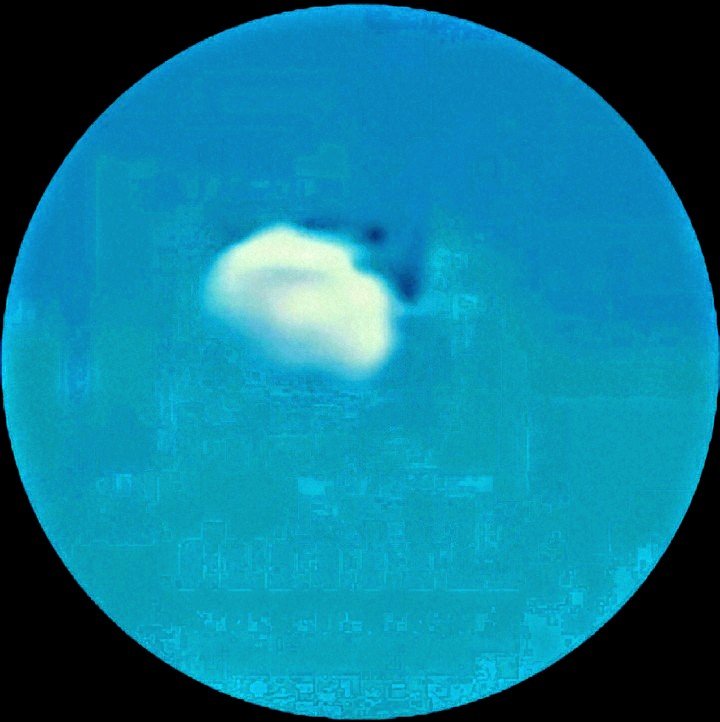
🌕 THIRD IMPOSTER — Luminous white core inside the cloud (zoomed crop), dark particle field dispersed around it
📸 WHAT THE CAMERA CAPTURED: A luminous white/pale core positioned inside a dense cloud formation, presented within a cyan-tinted circular zoom crop. Across the frame are numerous small dark discrete particles — dot and teardrop shaped — dispersed in an irregular pattern that does not match bird flocking or uniform insect spacing.
👁️ WHAT THE PERCEIVER OBSERVED: This is a third confirmed instance of the moon-imposter phenomenon — a non-human intelligence passing itself off as the moon. It is consistent in signature with both the Highway 14 first imposter (square module inside a cotton cloud) and the Underwood Hill second imposter (facial cloud + nighttime particle release). The luminous white core is the disguise; the dispersed dark particles are the operational activity. Three captures, three locations, same pattern. This is not an anomaly — it is a pattern of activity.
Evidentiary Status: Circumspective — consistent-pattern evidence. Single-frame capture of this particular imposter; see Entries 2 & 3 above for the fuller video + still documentation of the same phenomenon at other locations.
🔭 Methodology Note
Equipment: Standard and infrared-capable cameras, telephoto lenses, multi-filter processing. Captures made from elevated vantage points across the Pacific Northwest and during travel internationally.
Observational Layers: Each capture on this page will be presented in two labeled layers — "WHAT THE CAMERA CAPTURED" (the objective visual record) and "WHAT THE PERCEIVER OBSERVED" (direct perceptual layer beyond the limit of the lens). This separation is preserved for research honesty.
Full Reference: The broader framework for lunar observation, including the Perceiver's classification of anomalies, is discussed in ORIGIN: The Perceiver by Benigno Kelso G.